



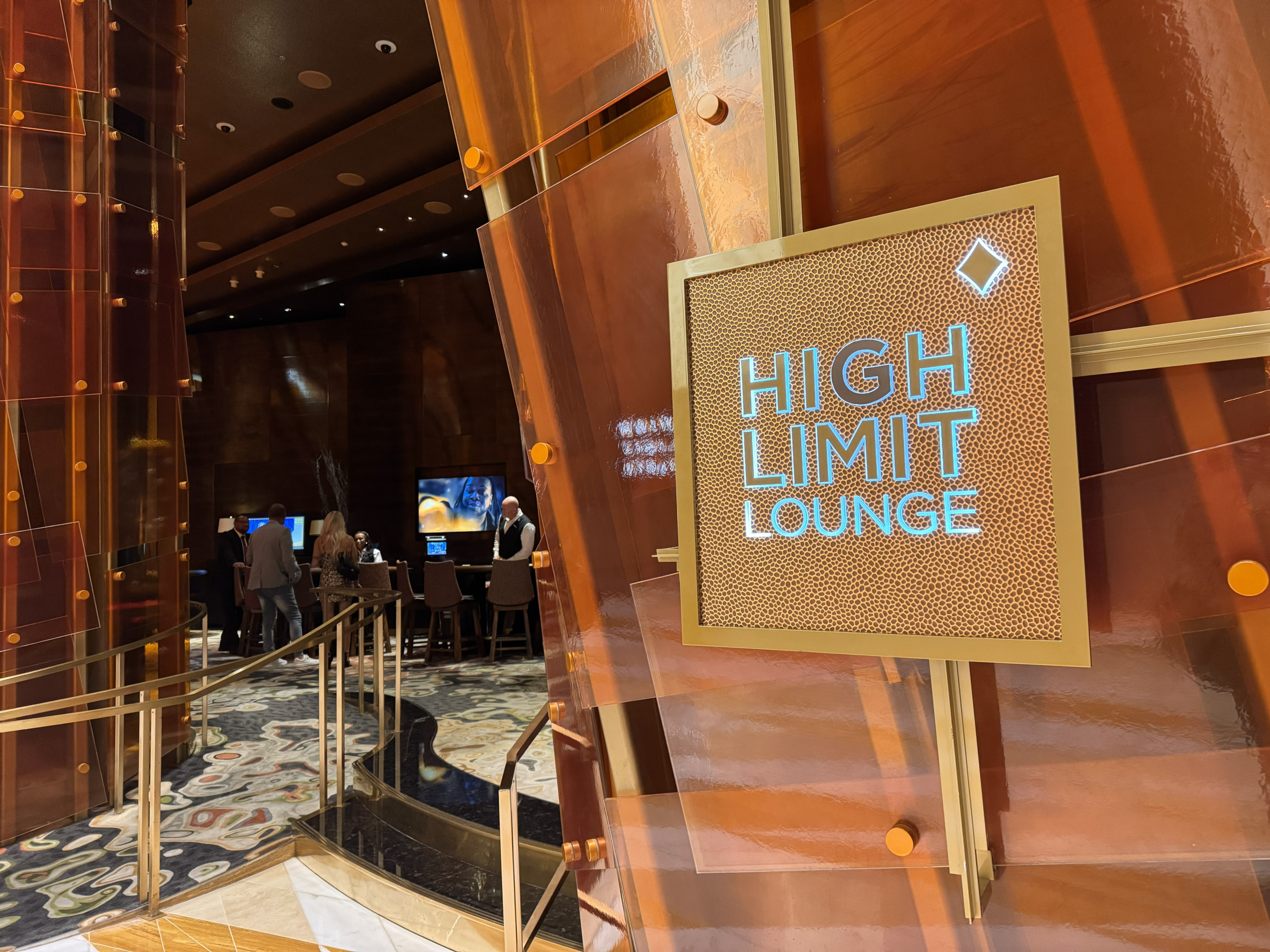
Las Vegas has always been fluent in scale. What has changed is how quietly power now moves across casino floors. High limit lounges sit at the center of that shift. They are not hidden behind velvet ropes or sealed doors. In most properties, guests simply walk in. Yet the experience inside signals something different. These spaces are designed to reward speed, spending, and familiarity with how the city works. Across Las Vegas, high limit lounges have become less about spectacle and more about systems. They show how modern casinos organize access, labor, and revenue in ways that ripple far beyond the gaming pit.
This is a citywide story rather than a single property feature. Every major casino now treats its high limit lounge as an operational engine. These lounges are calibrated environments where service design, security, and guest flow work together to produce measurable outcomes. The result is a space that feels calm and exclusive without feeling closed. That balance is not accidental. It reflects how Las Vegas is positioning itself as a mature hospitality city that knows how to manage high value guests while still projecting openness.
The cultural meaning matters. High limit lounges are not marketed as nightlife or entertainment destinations. They function as quiet infrastructure for high spend behavior. Their success is measured in time spent, tier growth, and downstream spending across the resort. Understanding how these spaces operate explains a lot about where the city’s hospitality economy is headed.
Designed for Flow Not Flash
Walk into a high limit lounge and the first thing you notice is not what is there, but what is missing. The noise drops. The lighting softens. Sightlines shorten. Materials absorb sound instead of reflecting it. Layouts pull guests inward rather than funneling foot traffic through. None of this is about decoration. It is about control.
Design choices in high limit lounges shape behavior. Lighting keeps guests focused on the game and the service interaction rather than the wider casino floor. Seating arrangements limit cross traffic and protect personal space without erecting barriers. Clear lines of sight allow staff and security to monitor activity without being intrusive. The effect is subtle but powerful. Guests move more slowly. They stay longer. They engage more directly with staff.
Privacy here is layered, not absolute. Lounges remain open to the public, but the environment signals expectations. This is one of the few places on a casino floor where people self regulate. That self regulation reduces friction and increases efficiency. It also supports safety and accountability. The one critique often raised is that the calmer environment can feel intimidating to first time visitors. In practice, that constraint functions as a quality control mechanism. It protects service standards and ensures staff can maintain consistent attention across fewer, higher value guests.
From an urban perspective, this design philosophy reflects a broader shift. Las Vegas no longer relies solely on spectacle to move money. It relies on engineered calm. High limit lounges show how the city applies design thinking to manage risk, revenue, and guest experience at scale.
Service as Skilled Labor
High limit lounges are labor intensive by design. Staffing ratios are higher than on the main floor. Service is fast, polished, and deliberately polite. This is not casual friendliness. It is trained hospitality.
Staff in these lounges operate under tighter expectations. They must read guests quickly, anticipate needs, and move efficiently without rushing. Training emphasizes consistency and discretion. The goal is to make high value guests feel recognized without making them feel managed. That requires skill.
The economic impact is tangible. These lounges create higher paying tipped positions across beverage service, hosting, and floor management. Because guest spend is higher, tip volume increases. That income stability attracts experienced hospitality workers and encourages longer tenure. In turn, casinos invest more in training, creating a feedback loop that raises service quality.
The benefits extend beyond the lounge. High limit guests move throughout the property. They dine at restaurants using resort credits, use valet services. They shop. Every interaction generates tips and revenue. Nearby staff feel the effect even if they never step into the lounge.
From a citywide labor perspective, high limit lounges function as skill concentrators. They pull experienced workers into roles that demand precision and reward performance. That raises the overall service bar across the property. It also reinforces Las Vegas’s reputation as a city that delivers high touch hospitality at scale.
Power Access and Measurable Value
Access in high limit lounges is defined less by rules and more by metrics. There are no formal entry gates. Instead, value is tracked through play. Tier growth happens faster. Comps accumulate more quickly. Guests earn free play and resort credit that can be used across restaurants. Even small perks, like convenience store discounts tied to high level player cards, reinforce the sense that the system recognizes and rewards participation.
This is where high limit lounges reveal their role as economic infrastructure. They are not just places to gamble. They are accelerators within the loyalty ecosystem. By concentrating high spend activity, casinos can allocate rewards more efficiently. Guests feel momentum. That momentum keeps them on property longer and encourages repeat visits.
The spillover effects are measurable. Higher tier guests move through the resort with confidence. They book dining reservations. They tip generously. Transportation services benefit. Retail sees increased conversion. The lounge becomes a node that distributes spending outward.
Status Without Spectacle
Culturally, this shapes how power is expressed in Las Vegas. It is quieter than in the past. Status is no longer about being seen. It is about how smoothly the system responds to you. High limit lounges teach guests how to move through the city’s hospitality network with ease. That knowledge becomes a form of cultural capital.
As Las Vegas continues to evolve, these lounges point toward the future. They show a city refining its approach to access, labor, and design. The forward looking signal is clear. The next era of Vegas is not louder. It is smarter, calmer, and built on systems that reward precision and trust.
On the Las Vegas Strip, many high-limit lounges sit inside luxury resort casinos. Link Aria Las Vegas. Optional cultural signal: As Strip revenue shifts toward luxury experiences, Las Vegas quietly shifts from mass entertainment to a controlled-access city.
